Musculoskeletal Oncology
Surgical management of bone and soft tissue tumours — limb-salvage surgery, tumour excision, and reconstruction.
Musculoskeletal Oncology | Advanced Bone Tumour Treatment at SurGenesis Hospital
Comprehensive Musculoskeletal Oncology Care
The Musculoskeletal Oncology Department at SurGenesis Hospital provides advanced treatment for patients suffering from bone tumors, soft tissue tumors, and musculoskeletal cancers that affect bones, muscles, ligaments, and connective tissues.
Our experienced orthopedic oncologists and cancer specialists specialize in diagnosing and treating both benign and malignant bone tumors, including complex musculoskeletal cancers and tumor-related fractures.
Musculoskeletal oncology treatment focuses on early diagnosis, precise tumor removal, limb preservation, and functional reconstruction using advanced surgical techniques and modern medical technology.
Our goal is to remove tumors safely, preserve limb function, reduce pain, and improve the overall quality of life for patients.
Advanced Musculoskeletal Oncology Centre
At SurGenesis Hospital, we provide state-of-the-art treatment for bone tumors and soft tissue cancers using advanced surgical techniques and modern diagnostic technology.
Our musculoskeletal oncology centre offers:
- Experienced orthopedic oncology surgeons
- Advanced tumor diagnosis and imaging technology
- Limb salvage surgery techniques
- Precision bone tumour removal procedures
- Comprehensive rehabilitation and recovery programs
Our multidisciplinary team includes orthopedic oncologists, radiologists, pathologists, and rehabilitation specialists working together to ensure accurate diagnosis and effective treatment.
Conditions Treated with Musculoskeletal Oncology
Musculoskeletal oncology treatment is recommended for patients suffering from bone tumors, soft tissue tumors, and tumor-related complications.
Common conditions treated include:
Bone Tumors
- Osteosarcoma
- Chondrosarcoma
- Ewing's Sarcoma
- Giant Cell Tumor
These tumors may require surgical removal, reconstruction, or specialized oncology treatment.
Soft Tissue Tumors
Soft tissue tumors affect muscles, fat, nerves, and connective tissue.
Examples include:
- Soft tissue sarcoma
- Lipoma
- Fibrosarcoma
- Malignant fibrous tumors
Treatment focuses on complete tumor removal while preserving surrounding structures.
Metastatic Bone Disease
Some cancers spread from other organs to bones, causing pain and bone weakness.
Common sources include:
- Breast cancer
- Lung cancer
- Kidney cancer
- Thyroid cancer
Treatment aims to reduce pain, stabilize bones, and improve patient mobility.
Tumor-Related Bone Damage
Bone tumors can weaken bones and lead to complications such as:
- Pathological fractures
- Bone instability
- Severe bone pain
- Joint dysfunction
Specialized orthopedic oncology treatment helps restore bone stability and function.
Types of Musculoskeletal Oncology Treatments
Bone Tumour Surgery
Bone tumour surgery involves removing cancerous or benign tumors from bones while preserving surrounding healthy tissue whenever possible.
Limb Salvage Surgery
Instead of amputating the limb, surgeons perform limb salvage surgery, where the tumor is removed and the bone is reconstructed using implants or bone grafts. This helps patients retain limb function and maintain mobility.
Soft Tissue Tumour Removal
Soft tissue tumors affecting muscles and connective tissue are surgically removed using advanced techniques to minimize damage to surrounding structures.
Bone Reconstruction Surgery
After tumor removal, reconstruction procedures may include bone grafting, custom orthopedic implants, joint reconstruction, and soft tissue reconstruction. These procedures help restore strength, mobility, and stability.
Minimally Invasive Musculoskeletal Oncology Surgery
SurGenesis Hospital uses modern minimally invasive surgical techniques for selected tumor removal procedures.
Benefits include:
- Smaller surgical incisions
- Reduced blood loss
- Less post-surgical pain
- Shorter hospital stay
- Faster recovery and rehabilitation
These techniques help patients recover faster and return to daily activities sooner.
Musculoskeletal Oncology Treatment Process
- Detailed Oncology Evaluation: Our specialists conduct a comprehensive evaluation using X-rays, MRI scans, CT scans, and biopsy tests to accurately diagnose the tumor.
- Personalized Treatment Plan: Based on the type, size, and location of the tumor, doctors design a customized treatment plan.
- Advanced Surgical Procedure: Tumor removal surgery is performed using precision surgical techniques and modern reconstruction methods.
- Rehabilitation & Physiotherapy: Post-surgery rehabilitation helps patients regain strength, mobility, and normal function.
Why Choose SurGenesis Hospital for Musculoskeletal Oncology
Experienced Orthopedic Oncology Surgeons
Our specialists are trained in advanced bone tumor surgery and musculoskeletal cancer treatment.
Advanced Diagnostic Technology
We use modern imaging systems and biopsy techniques for accurate tumor diagnosis and treatment planning.
Limb Preservation Techniques
Whenever possible, our surgeons perform limb salvage procedures instead of amputation.
Comprehensive Oncology Care
SurGenesis Hospital provides complete musculoskeletal oncology treatment from diagnosis to rehabilitation.
Symptoms That May Require Musculoskeletal Oncology Consultation
You should consult a specialist if you experience:
- Persistent bone pain
- Swelling or lump near bones or muscles
- Unexplained fractures
- Pain that worsens at night
- Limited joint movement
- Increasing swelling around joints
Early diagnosis helps improve treatment outcomes and prevents complications.
Frequently Asked Questions
What is Musculoskeletal Oncology?
Musculoskeletal oncology is a specialized field that focuses on diagnosing and treating bone tumors, soft tissue tumors, and musculoskeletal cancers.
Are all bone tumors cancerous?
No. Some bone tumors are benign (non-cancerous), but they may still require treatment if they cause pain or weaken the bone.
Is limb amputation always required for bone cancer?
No. Modern techniques such as limb salvage surgery allow surgeons to remove tumors while preserving the limb in many cases.
How long does recovery take after bone tumour surgery?
Recovery depends on the procedure performed, but many patients regain mobility within weeks to months with proper rehabilitation.
All Departments
View All DepartmentsVIDEO GALLERY
Procedures, patient stories and surgical guides on Musculoskeletal Oncology

Why Surgenesis? | Dr. Amit Mittal | World-Class Hand Surgery & ICU Care
Surgenesis Hospital
क्या Liver Cirrhosis मरीज की जिंदगी बदल सकती है? सच जानिए | Liver Cirrhosis Treatment
Surgenesis Hospital
लिवर सिरोसिस पर पूरी जानकारी – सही सलाह लेने से पहले ये देखें | Liver Cirrhosis Treatment
Surgenesis Hospital
सीने में अचानक दर्द और सांस रुकने की नौबत | Pneumothorax Treatment
Surgenesis Hospital
क्या सिर्फ 1 महीने में Liver Cirrhosis से राहत मिल सकती है? सुनिए एक सच्ची कहानी | Liver Cirrhosis
Surgenesis Hospital
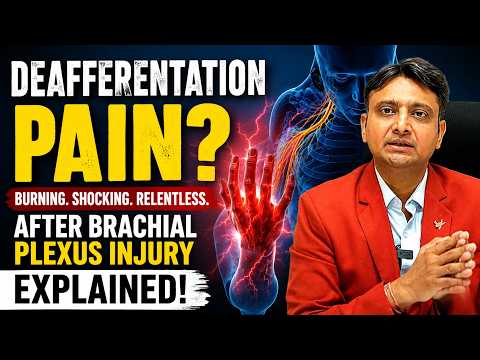
What is Deafferentation Pain? Severe Burning Pain After Brachial Plexus Injury Explained
Surgenesis Hospital
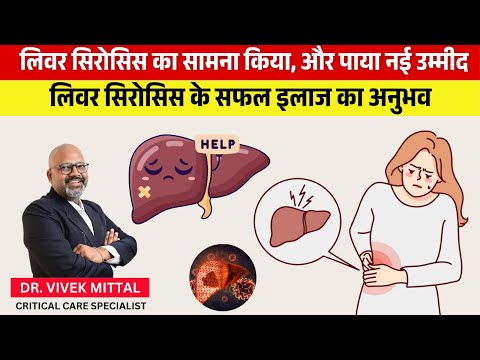
लिवर सिरोसिस उपचार में डॉ. Vivek Mittal की विशेषज्ञता पर मरीज की भरोसेमंद राय | Liver Cirrhosis
Surgenesis Hospital
WATCH & LEARN
Surgical videos and visual guides to help you understand procedures

OPD

ICU

Team

IPD

